

Services
Applied Behavior Analysis (ABA) is one of the most widely researched and evidence-based interventions for children diagnosed with Autism Spectrum Disorder (ASD). Research has shown that ABA can effectively support the development of communication, social, adaptive, and daily living skills while reducing behavioral barriers that may interfere with learning and independence.
Because every child is unique, ABA programs are individualized to meet each child's specific strengths, needs, and goals.
Examples of ABA strategies may include:
Positive Reinforcement: Encouraging desired behaviors by providing praise, rewards, or preferred activities.
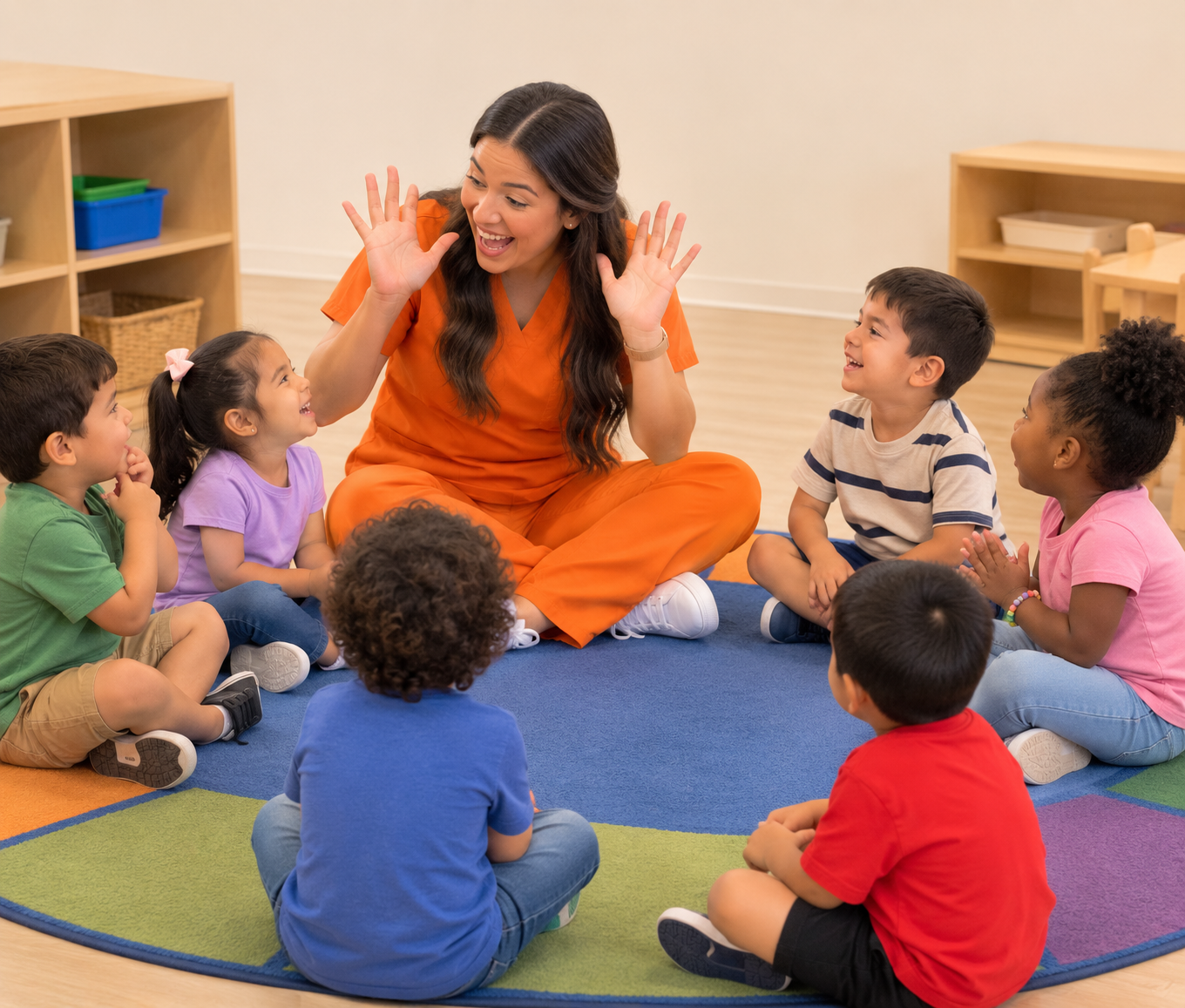
Natural Environment Teaching (NET): Teaching skills through play and everyday routines in meaningful settings.
Modeling: Demonstrating appropriate behaviors or skills for a child to imitate.
Prompting and Prompt Fading: Providing support to help a child learn a new skill and gradually reducing assistance as independence increases.
Task Analysis: Breaking complex skills into smaller, manageable steps.
Functional Communication Training (FCT): Teaching children effective ways to communicate their wants and needs, reducing frustration and challenging behaviors.
Social Skills Instruction: Helping children develop skills such as turn-taking, sharing, joint attention, and peer interactions.
Applied Behavior Analysis (ABA) Therapy
Assent-Based Therapy
In the clinical world, parents give legal consent for therapy. But assent is the agreement given by the child receiving the therapy.
Because young children often cannot say "I'm tired" or "I'm uncomfortable" with words, we closely monitor their behavioral cues. Assent-based therapy means we actively look for and honor your child’s willingness to participate.
Why this matters: Honoring a child’s right to say "no" or "not right now" builds deep, foundational trust. It teaches them that their voice has power, fostering self-advocacy skills that will protect and empower them as they grow into adulthood.
Naturalistic Developmental Behavioral Interventions (NDBIs)
Spectrum Early Intervention Center uses a Naturalistic Developmental Behavioral Interventions (NDBIs) therapeutic approach, a research-supported approach that combines developmental and ABA principles through play-based, child-led learning. By following each child's interests and incorporating teaching into everyday activities using strategies such as Natural Environment Teaching (NET), we help children build communication, daily living, social, play, and independence skills in a fun, meaningful, and engaging way.
Our goal at Spectrum is to support each child's development, foster confidence, and help close developmental gaps while creating positive learning experiences.
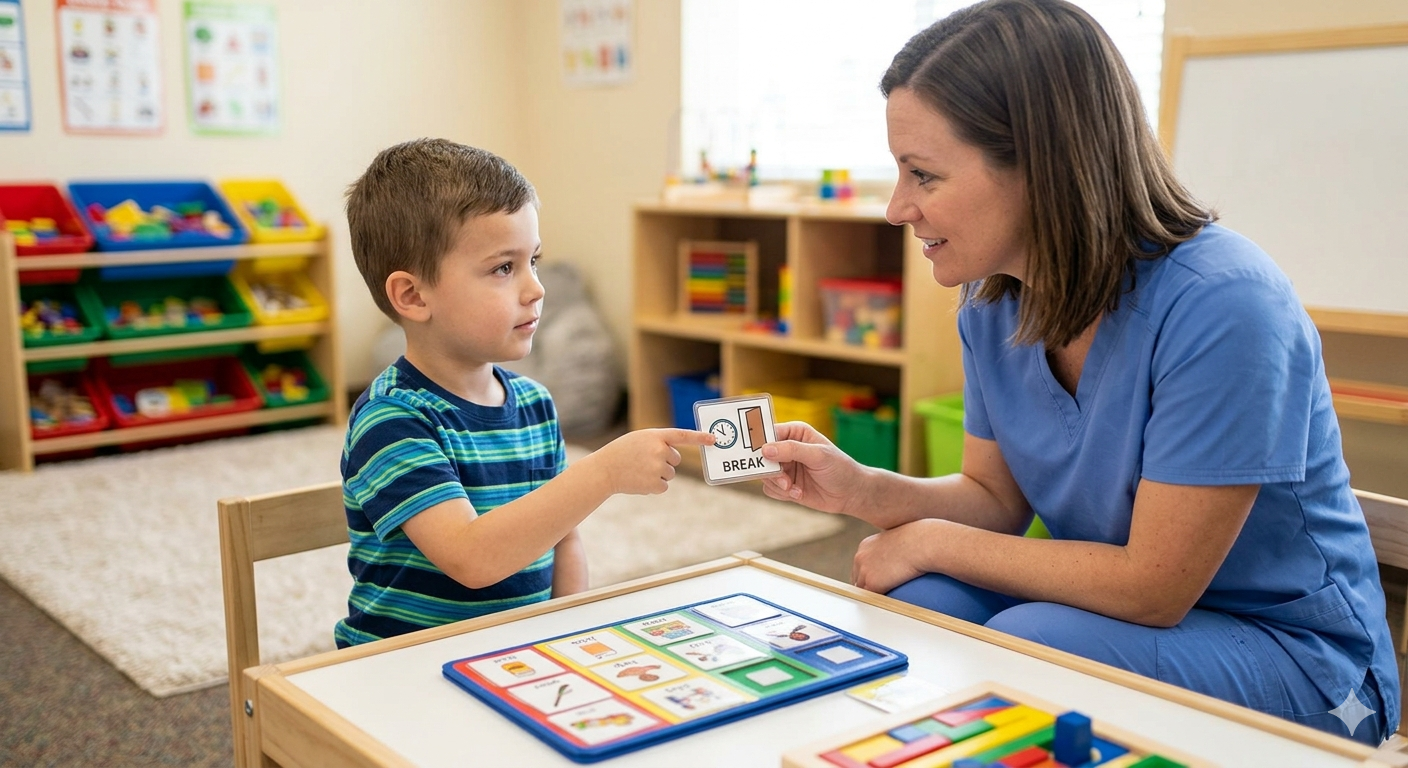
Spectrum provides ABA services to help your child build meaningful skills, increasing independence, and improving quality of life for both children and their families in a compassionate and individualized manner.
For us, therapy is not about forcing compliance; it is about building connection, communication, and confidence. We believe that the best learning happens when a child feels safe, respected, and actively engaged.
To make sure your child receives the highest, most respectful standard of care, our clinical model is built on two core pillars: Assent-Based Therapy and NDBI.
Our Approach to ABA
Caregiver Training & Support
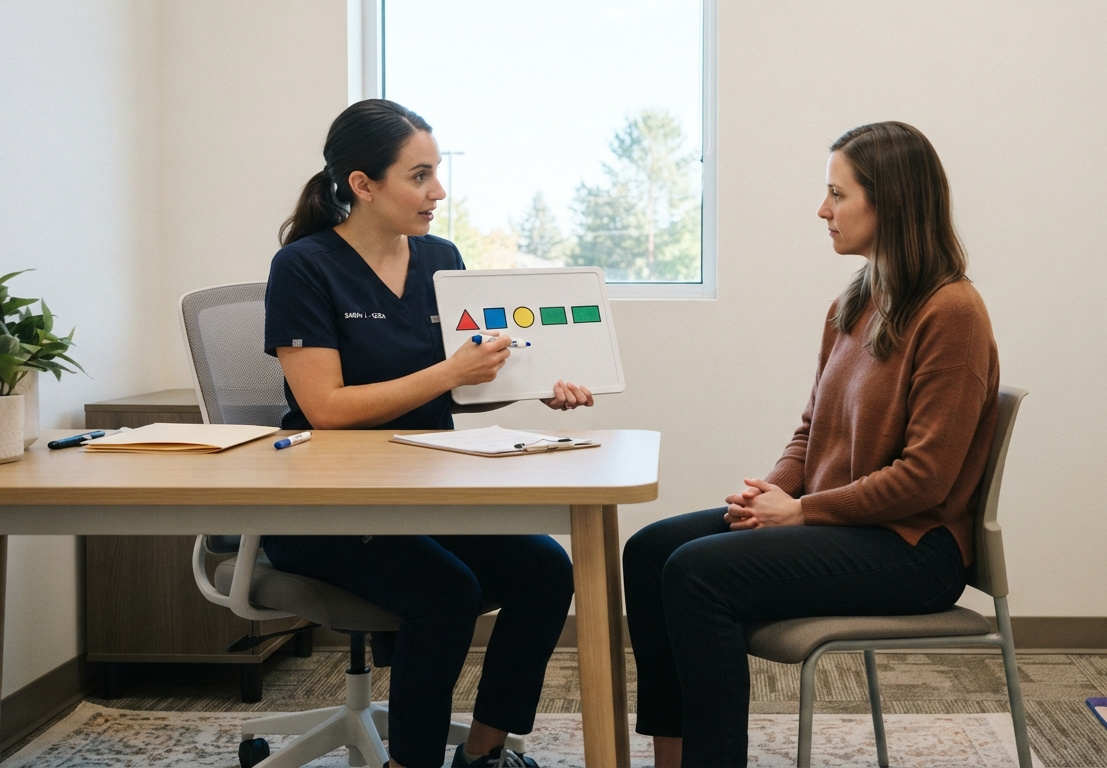
At Spectrum Early Intervention Center, we believe that parents and caregivers are the heart of a child's success. You know your child better than anyone else, and our goal is to provide you with the support, guidance, and confidence needed to help your child thrive in everyday life.
Our caregiver training is designed to be practical, supportive, and individualized to your family's needs. We work alongside you to address the situations that matter most to your family. Whether you are looking for support with communication, daily routines, community outings, mealtimes, bedtime, or managing challenging behaviors, we will help you develop strategies that fit naturally into your home and lifestyle.
During training sessions, your BCBA will model strategies, answer questions, and provide real-time coaching and encouragement. Together, we identify what may be contributing to difficult moments and create positive, compassionate approaches that help your child succeed. Our goal is to empower you with tools that feel realistic, effective, and comfortable for your family.
Consistency between therapy sessions and home routines can make a tremendous difference in your child's progress. When children experience the same supportive strategies across different environments, they are better able to learn new skills, generalize those skills, and build confidence. By partnering together, we can create meaningful progress that extends far beyond the therapy setting.
As your child grows and reaches new milestones, our support grows with you. Caregiver training is an ongoing partnership where we celebrate successes, work through challenges, and adjust goals to meet your family's changing needs.
We are committed to walking alongside your family every step of the way, helping you feel supported, confident, and empowered as you help your child build independence and reach their fullest potential.